How to Prepare for Brow Lift Surgery Successfully?
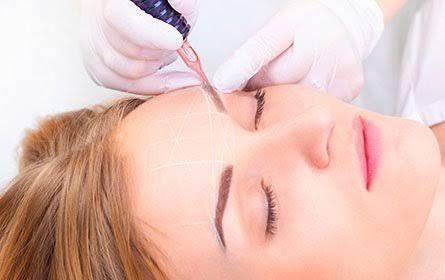
Preparing for a cosmetic procedure involves more than simply choosing a suitable date. Understanding the process, following professional guidance, and making thoughtful lifestyle adjustments can help individuals approach their treatment with confidence. Brow Lift Surgery in Dubai is a cosmetic procedure designed to elevate the eyebrows, improve forehead contours, and create a more refreshed facial appearance. Proper preparation plays an important role in supporting a smooth surgical experience and helping individuals understand what to expect before, during, and after the procedure. From the initial consultation to practical arrangements at home, every preparation step contributes to a more organized and informed experience.
Understand the Brow Lift Procedure
Before undergoing any cosmetic procedure, it is important to understand how it works and what it aims to achieve. A brow lift focuses on repositioning the forehead and eyebrow tissues to address concerns such as drooping eyebrows, forehead creases, and a tired-looking upper facial appearance.
Different surgical techniques may be available depending on an individual's facial anatomy, skin condition, eyebrow position, and aesthetic goals. Understanding the available approaches helps individuals participate more confidently in discussions about their treatment.
Learning about the procedure also provides an opportunity to develop realistic expectations. A brow lift is intended to enhance facial harmony rather than completely change natural facial characteristics.
Schedule a Detailed Consultation
A consultation is one of the most important preparation steps. It allows individuals to discuss their concerns, expectations, and suitability for the procedure.
During this appointment, relevant medical history, existing health conditions, previous procedures, and current medications should be discussed. These details help determine whether the treatment is appropriate and whether any additional precautions are necessary.
Individuals should also communicate their desired results clearly. Questions about the surgical technique, incision placement, expected recovery, potential risks, and possible outcomes can help provide a better understanding of the process.
An informed consultation establishes a foundation for appropriate treatment planning and helps avoid misunderstandings.
Share Your Complete Medical History
Providing accurate medical information is essential before undergoing surgery. Certain health conditions, medications, and previous surgical experiences may influence treatment planning and recovery.
Individuals should disclose any history of:
High blood pressure or cardiovascular conditions.
Diabetes or blood sugar management concerns.
Bleeding or blood-clotting disorders.
Allergies to medications or anaesthesia.
Previous facial or forehead procedures.
Skin conditions or healing difficulties.
It is equally important to mention all prescribed medications, over-the-counter products, herbal preparations, and dietary supplements.
Some medications and supplements can affect bleeding, anaesthesia, or healing. However, individuals should never discontinue prescribed medication independently. Any necessary adjustments must be discussed with the appropriate healthcare professional.
Follow Preoperative Instructions Carefully
Following preoperative instructions helps individuals prepare physically for the procedure. These instructions may vary depending on the surgical approach, medical history, and anaesthesia requirements.
Patients may receive specific guidance regarding medications, food, beverages, skincare products, and daily activities before surgery.
If blood-thinning medications or certain supplements need adjustment, this should only happen under appropriate medical supervision. Similarly, fasting instructions should be followed precisely when general anaesthesia or sedation is planned.
Keeping a written record of the instructions can make preparation easier and reduce the possibility of overlooking important details.
Stop Smoking and Avoid Alcohol
Lifestyle habits can influence the body's ability to heal after surgery. Smoking is particularly important because nicotine can restrict blood circulation and reduce oxygen delivery to tissues.
Poor circulation may interfere with wound healing and increase the risk of complications. Individuals who smoke should discuss an appropriate period of smoking cessation with their healthcare provider before surgery.
Alcohol consumption should also be discussed because it may interact with medications, affect hydration, and influence anaesthesia-related considerations.
Avoiding these substances according to professional recommendations can support a safer surgical preparation process.
Maintain a Balanced Diet and Stay Hydrated
Good nutrition supports the body's normal functions and helps prepare it for the physical demands of surgery and recovery.
A balanced diet containing protein, vitamins, minerals, and other essential nutrients can contribute to normal tissue maintenance and healing. Suitable food choices may include:
Lean proteins such as eggs, fish, and poultry.
Fresh fruits and vegetables.
Whole grains and fibre-rich foods.
Healthy fats from nuts, seeds, and avocados.
Adequate fluids throughout the day.
Staying hydrated is equally important for maintaining normal bodily functions. However, individuals should follow any specific eating and drinking restrictions provided before surgery.
It is also advisable to avoid introducing new supplements or restrictive diets shortly before the procedure without professional advice.
Prepare Your Home for Recovery
Arranging a comfortable recovery environment before surgery can make the initial postoperative period more manageable.
Since individuals may experience temporary swelling, bruising, and discomfort around the forehead and eye area, having essential items within easy reach can reduce unnecessary movement.
Consider preparing:
A clean and comfortable resting area.
Extra pillows to support an elevated sleeping position if recommended.
Loose-fitting clothing that does not need to be pulled over the head.
Prescribed medications and approved recovery supplies.
Easy-to-prepare meals and drinking water.
Clean towels and fresh bedding.
Keeping the recovery space organized can help individuals concentrate on following their postoperative instructions without unnecessary stress.
Arrange Transportation and Personal Assistance
Depending on the anaesthesia used, individuals may not be able to drive themselves home after surgery. Arranging reliable transportation in advance is therefore an important preparation step.
It may also be helpful to have a trusted person available during the initial recovery period. Assistance with meals, household activities, medication schedules, and other everyday responsibilities can make the experience more comfortable.
Individuals should also plan their work commitments, childcare responsibilities, and social activities around the expected recovery period.
Taking sufficient time away from demanding activities can help reduce unnecessary pressure during the early stages of healing.
Avoid Certain Skincare Treatments Before Surgery
Preparing the skin is another consideration before a brow lift. Certain cosmetic treatments, exfoliating products, and active skincare ingredients may irritate the skin or increase sensitivity.
Individuals should inform their healthcare provider about their existing skincare routine, including the use of retinoids, chemical exfoliants, and prescription topical products.
They may receive instructions to temporarily discontinue specific products before surgery.
It is also advisable to avoid aggressive facial treatments, waxing, or other procedures around the forehead and eyebrow area unless specifically approved.
Keeping the skin clean and following professional recommendations can help prepare the treatment area appropriately.
Understand the Recovery Process
Knowing what happens after surgery is just as important as preparing for the procedure itself.
Temporary swelling, bruising, tightness, and mild discomfort may occur during the initial recovery period. The extent and duration of these effects can vary depending on the surgical technique and individual healing response.
Patients should understand how to care for incision sites, manage prescribed medication, and recognize signs that require medical attention.
Activities involving heavy lifting, strenuous exercise, or excessive facial movement may need to be restricted temporarily. Returning to normal routines should happen gradually and according to professional instructions.
Follow-up appointments are also important because they allow the healthcare team to monitor healing and address any concerns.
Set Realistic Expectations Before Surgery
Having realistic expectations helps individuals approach cosmetic surgery with a balanced understanding of the possible results.
A brow lift may improve eyebrow position, soften certain forehead lines, and create a more refreshed appearance. However, the outcome depends on factors such as facial anatomy, skin elasticity, surgical technique, and the natural healing process.
It is important to understand that individual results vary and that perfect symmetry or complete elimination of facial lines cannot be guaranteed.
Focusing on natural-looking improvements rather than dramatic changes can help individuals make more informed decisions about their aesthetic goals.
Common Mistakes to Avoid Before Brow Lift Surgery
Even when individuals understand the procedure, certain preparation mistakes can create unnecessary complications or delays.
Some common mistakes include:
Hiding medical conditions or medication use.
Ignoring preoperative instructions.
Smoking close to the procedure date.
Taking unapproved supplements.
Failing to arrange transportation.
Scheduling demanding activities immediately after surgery.
Expecting immediate final results.
Skipping recommended follow-up appointments.
Avoiding these mistakes requires clear communication, careful planning, and a willingness to follow professional recommendations throughout the treatment journey.
Why Professional Preparation Matters
Successful preparation involves understanding the procedure, assessing individual suitability, and following appropriate medical guidance. Every individual has different facial characteristics, health considerations, and aesthetic expectations, making personalized preparation particularly important.
A structured approach helps individuals feel more confident about their decisions while ensuring that important safety considerations are addressed. From reviewing medical history to arranging recovery support, each step contributes to a more informed surgical experience.
Choosing a professional clinical environment that prioritizes patient education, appropriate assessment, and individualized treatment planning can also make the overall experience more reassuring.
Book Us
Preparing for a cosmetic procedure becomes easier when individuals receive appropriate guidance and a personalized approach to treatment. Enfield Royal Clinic Dubai provides aesthetic services with an emphasis on understanding individual concerns, treatment suitability, and desired outcomes. Those considering Brow Lift Surgery can explore their options, discuss their expectations, and learn more about the preparation process through a professional consultation at Enfield Royal Clinic Dubai. Taking the time to understand every stage of the journey can help individuals make confident and informed decisions about enhancing their natural facial appearance.
